
Apology to my friends

This has been in my drafts for 6 years now but it could have been written today because everything in it still resonates. I’m posting it now so it’s easier to find when I no doubt will feel similar again in the future.

“This is my apology to friends who have sent me messages recently that I either haven’t replied to yet or that took me a very long time to reply to… I’ve been in hiding mode.

For the long apology read on. For the short apology: I’m so sorry, I’m trying to pull myself out of hiding and catch up with you all.

My closest friends will probably recognise that I do this every now and again. I’ll suddenly be even more crap at replying to messages than normal – sometimes it’s weeks or months before I respond. Or I’ll not make plans with you, or make it out the house to meet up if we do. And I want to say I’m truly sorry for when I do that; I genuinely love and appreciate your friendship but I’ve gone into hibernate mode and hidden myself away.

  • Sometimes I hide away because I’m mentally and physically exhausted and just getting up and surviving the day is all I can achieve.
  • Sometimes I hide because I don’t know how to answer the inevitable question of ‘what have you been up to?’
  • Sometimes I hide because I’m overwhelmed with things to do yet I can’t seem to work out where to start.
  • Sometimes I hide because being in the real world surrounded by people reminds me that in my world I feel alone.
  • Sometimes I hide because I’ve just lost interest in everything for no reason and I don’t want to bring anyone else down.
  • And sometimes I haven’t worked out the reason why, it just happens.”

What I want you to know:

If I’m rubbish at replying to your message, or I haven’t seen you in ages, please know that I do love you and I’m grateful for your friendship but I’m probably in hiding for one or more of the reasons above until I sort my own head out and I hope you understand.
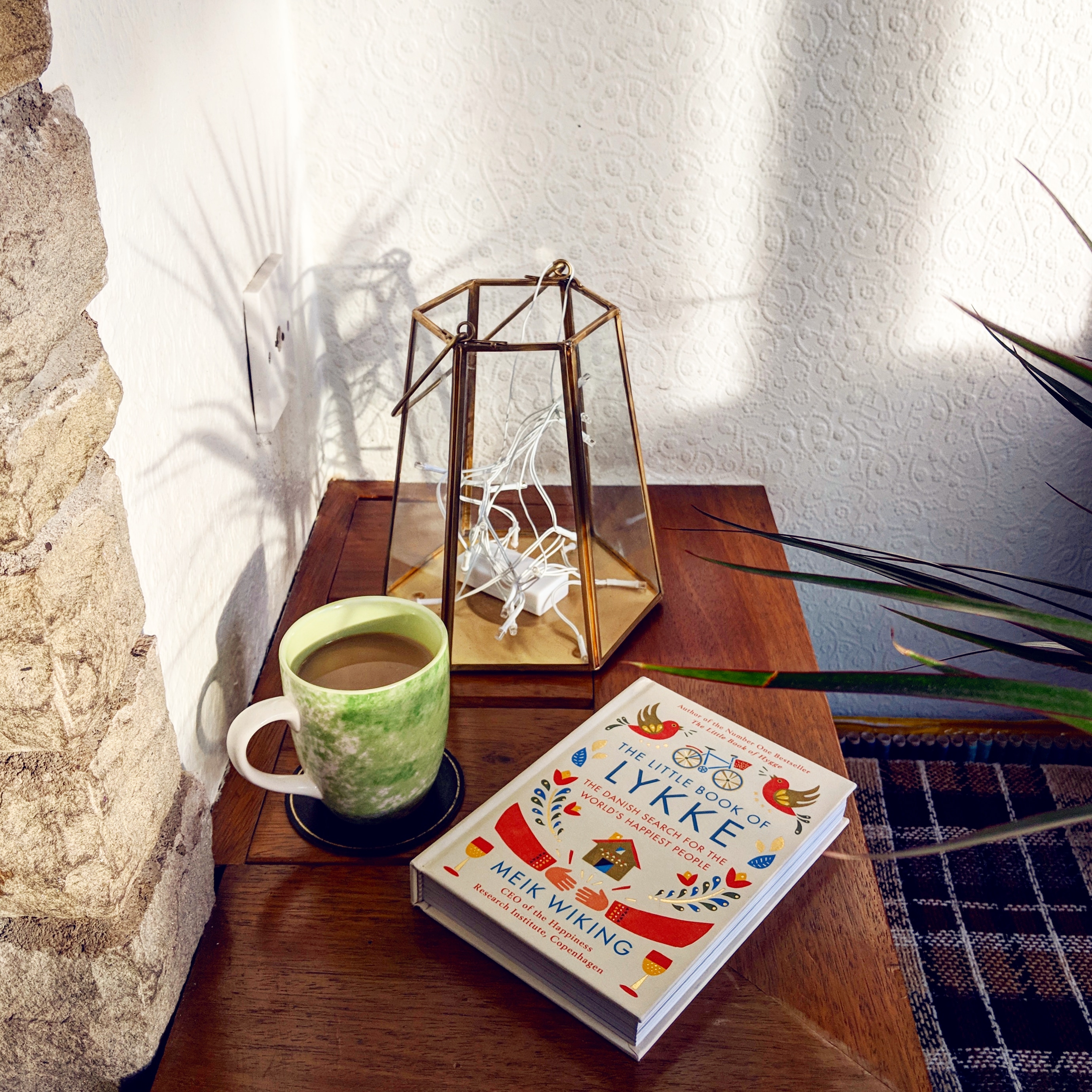
The Little Book of Lykke

The last couple of years I have fully jumped onto the hygge hype. I realised that I have pretty much always sought out a lot of what is typically thought of as ‘hyggelig’ in order to feel calm. I love candles, I love being cosy with blankets, I love moodlighting, I love fika (coffee and a sweet baked treat) etc etc.

So when I saw Meik Wiking (author of The Little Book of Hygge) had written another book it went to the top of my Amazon book wish list. This time the book (The Little Book of Lykke) talks all about the pursuit of happiness, how we could measure it and what factors make up happiness. Lykke is Danish for happiness in case you’re wondering.

Each chapter takes you through a different factor which have been found to have a large impact on happiness, using research or real-life examples. Happiness tips are given throughout and at the end of each chapter are short examples from around the world.

What I learned from this book:

1. You can view happiness from three different dimensions. Hopefully this will be a helpful reminder for me for when I’m feeling low or sad, to assess whether that is a ‘right now’ feeling or an overall feeling.

  • Affective (or hedonic) – being happy right now
  • Cognitive – being happy overall
  • Eudaimonia (ancient Greek for happiness) – based on Aristotle’s perception of happiness whereby the good life is meaningful and purposeful

2. Six main factors impacting happiness include: 

  1. Togetherness (or sense of community) – having a sense of being able to rely on others or to share experiences
  2. Money – it isn’t always true that money makes you happier, inequality has a big (negative) impact on happiness, does being happy result in higher income or does a higher income result in happiness?
  3. Health – the positive impact of cycling, forest bathing, mindfulness and having free healthcare
  4. Freedom – of movement, of expression, of how to spend our time, of control over our work-life balance
  5. Trust – people who trust other people are happier.  Success is not a zero sum game. Inequality leads to mistrust, competition, resentment and anger – and reduces empathy
  6. Kindness – being caring, having a sense of purpose, committing random acts of kindness and associated helper’s high, gaining perspective and practising gratitude. ‘Kindness breeds more kindness’

3. Cooperating is good for the survival of our species, so we are wired to feel good when we engage in it. Social skills, cooperation, empathy and trust are all part of the school curriculum in Denmark.


A couple of my favourite tips from the book:

  1. To get more exercise into his day, after ordering a coffee Meik walks up and down five floors whilst waiting for his coffee to be ready. And, every two hours in front of the computer ‘costs’ him twenty-five push ups! (I feel walking would be easier to implement than push ups!)
  2. Create a smile file. Somewhere to write down every nice comment you’ve received from colleagues, clients, bosses etc. We all tend to remember criticism far better than praise so the smile file would help people become more aware of positive comments too.
  3. Encourage praise among colleagues to increase trust. ‘Employee of the week with a twist’ – the title goes to the colleague who has made their colleagues shine or told other people about their achievements.